Michigan State University
Mahdi Masmoudi
Ph.D. researcher working on scientific machine learning, inverse problems, and monitoring.
Curriculum Vitae
Open PDF
About
My research focuses on scientific machine learning and inverse problems. I am interested in parameter estimation, anomaly detection, and learning from limited or irregular observations.
Much of the work uses physical structure and governing equations to make models more reliable and easier to interpret in monitoring settings.

Research
Full HAL pageSelected work on anomaly detection, parameter-field inference, and learning with sparse observations.
-
International Journal of Pavement Engineering · 2026
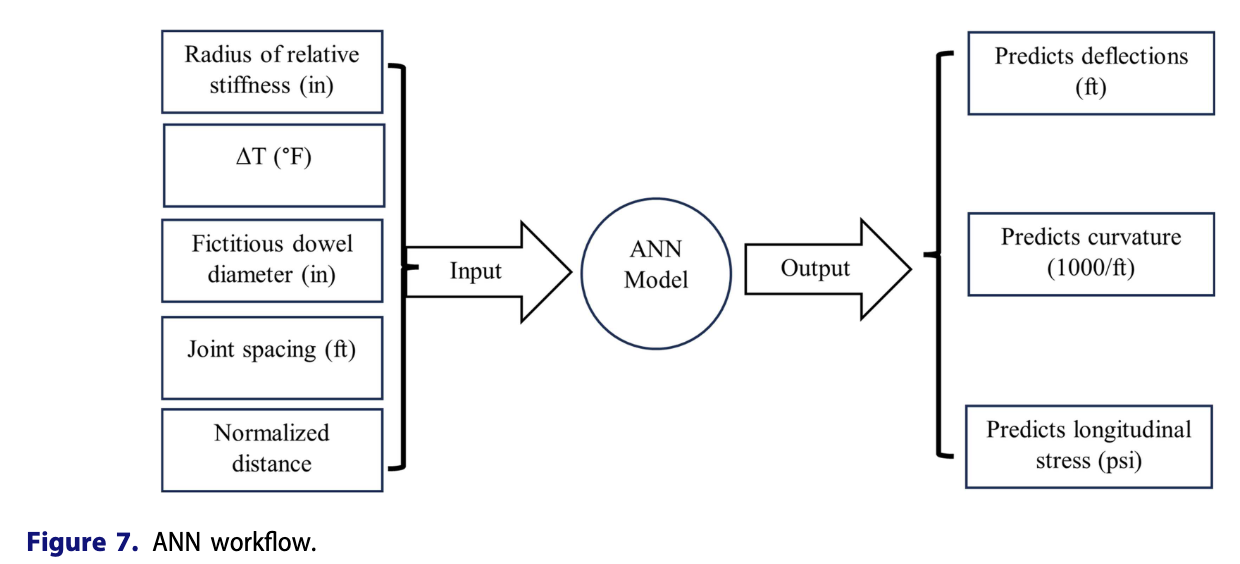
The impact of temperature gradient and JPCP design features on surface roughness and curvature
A study of how temperature gradients and jointed plain concrete pavement design features affect slab roughness and curvature.
View paper -
ICLR Workshop · 2026
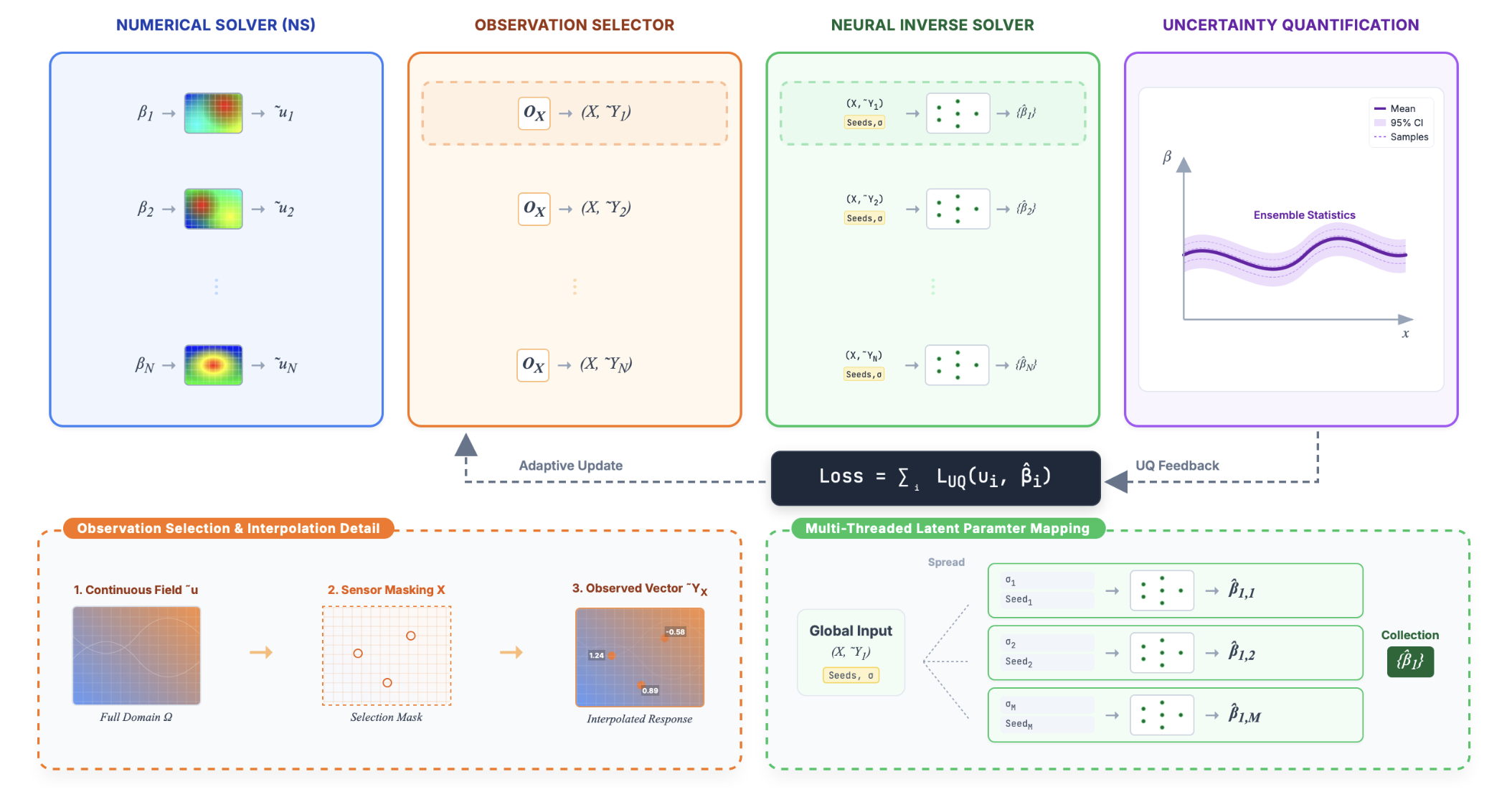
UNED: One-shot Uncertainty-aware Neural Experimental Design for Transient PDEs
A one-shot experimental design framework for PDE inverse problems that optimizes sensor placement under model and measurement uncertainty.
View paper -
ICLR Workshop · 2026
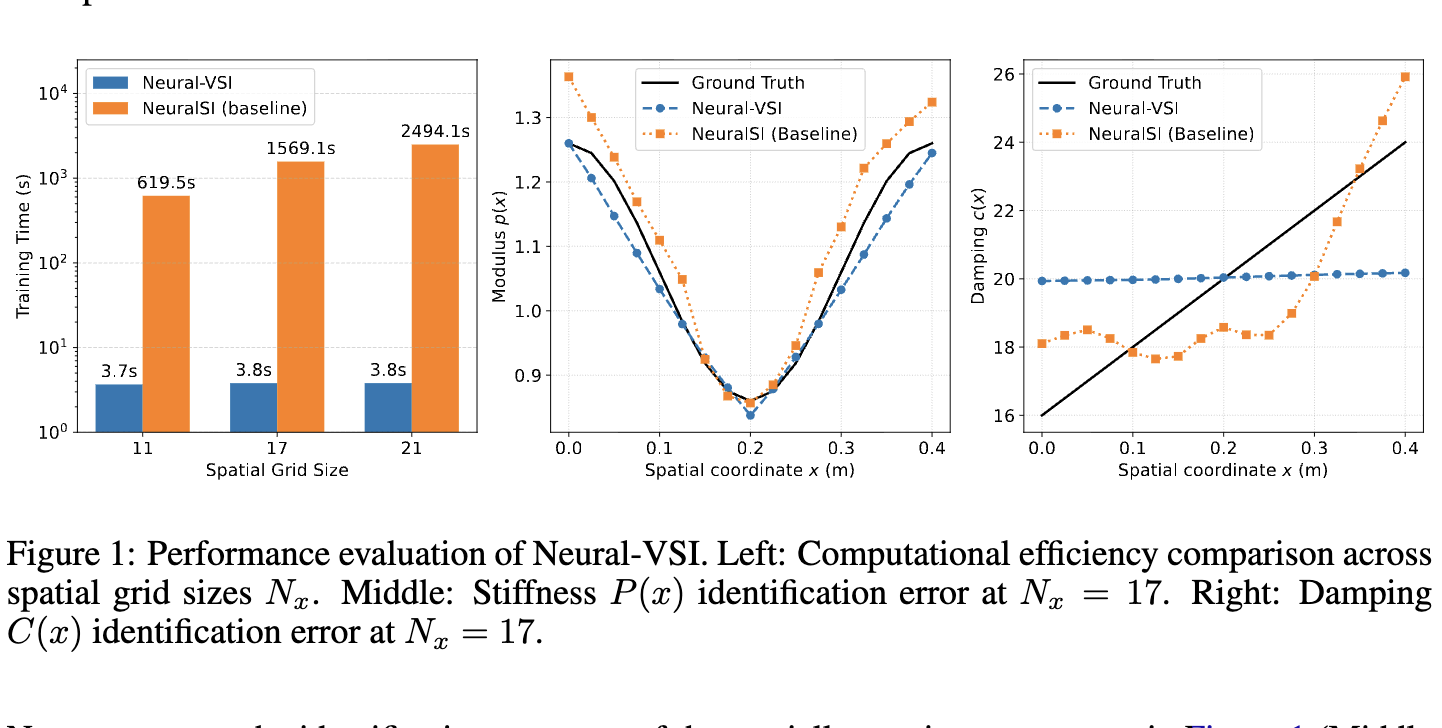
Neural-VSI: Variational System Identification of Structural Parameter Fields in High-Order PDEs
A variational system identification method for spatially varying structural parameters in high-order PDEs under noisy data and unknown boundary conditions.
View paper -
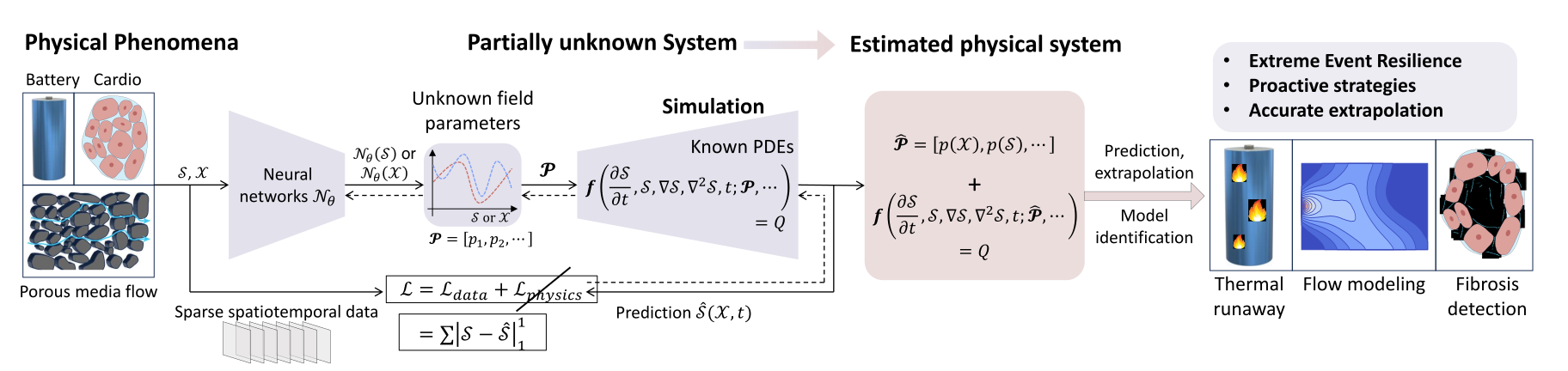
Under review · Nature Communications Physics
Estimating Parameter Fields in Multi-Physics PDEs from Scarce Measurements
A method for recovering parameter fields in coupled PDE systems from scarce measurements while preserving the structure of the governing physics.
View paper -
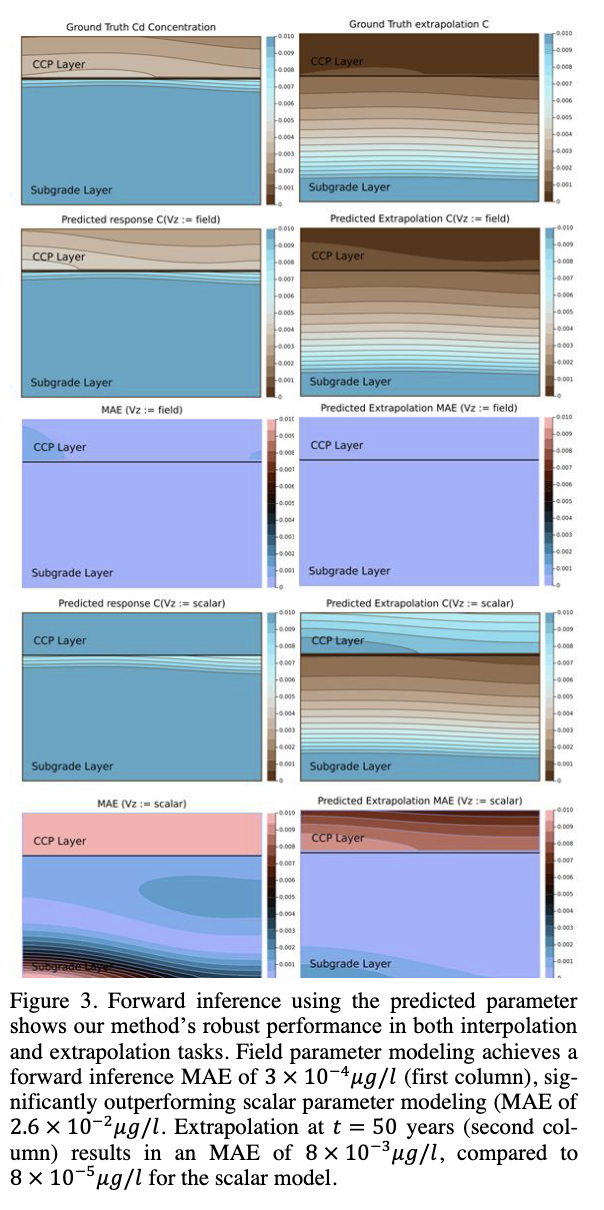
AM3P Conference Proceedings · 2025
Physics-based modeling of contaminant leaching in road construction
A physics-based framework for modeling contaminant leaching in road construction using field-based seepage velocity estimation.
View paper -
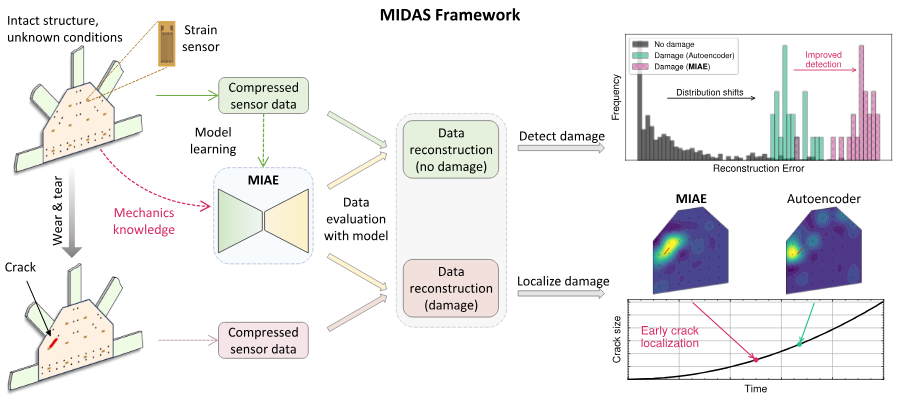
Nature Communications · 2024
Mechanics-informed autoencoder enables automated detection and localization of unforeseen structural damage
A mechanics-informed autoencoder detected damage and localized early cracks more accurately than baseline autoencoder models.
View paper -
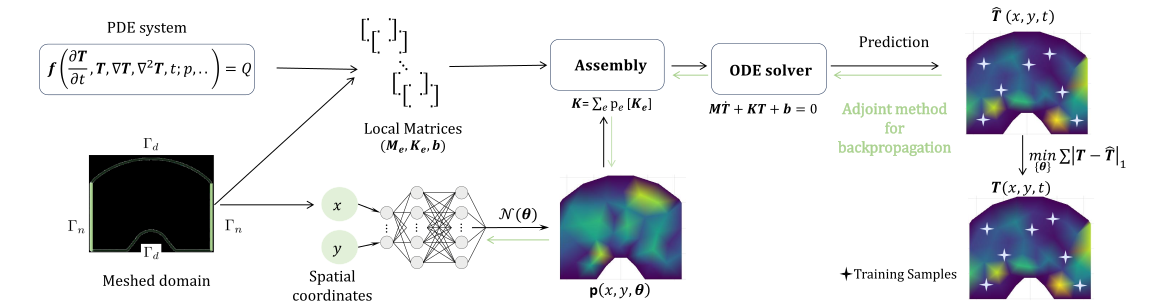
NeurIPS Workshop · 2024
ParaFIND: Parameter Field Inference on Non-uniform Domains using Neural Network
A neural approach for inferring parameter fields on non-uniform domains from sparse and irregular observations.
View paper -
ICLR Workshop · 2024
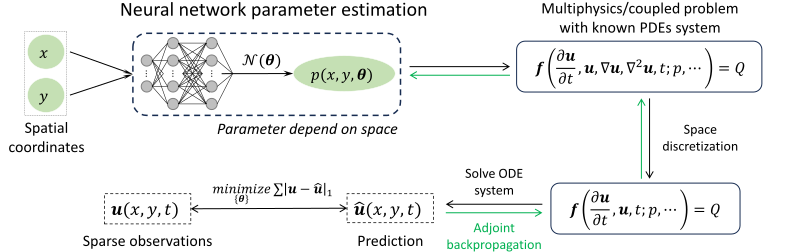
Estimating field parameters from multiphysics governing equations with scarce data
NeuroPIPE estimates field parameters in multiphysics governing equations from limited observations and incomplete spatial coverage.
View paper
Contact
Copyright Mahdi Masmoudi